Housing
Land and Value
Housing
Food Security
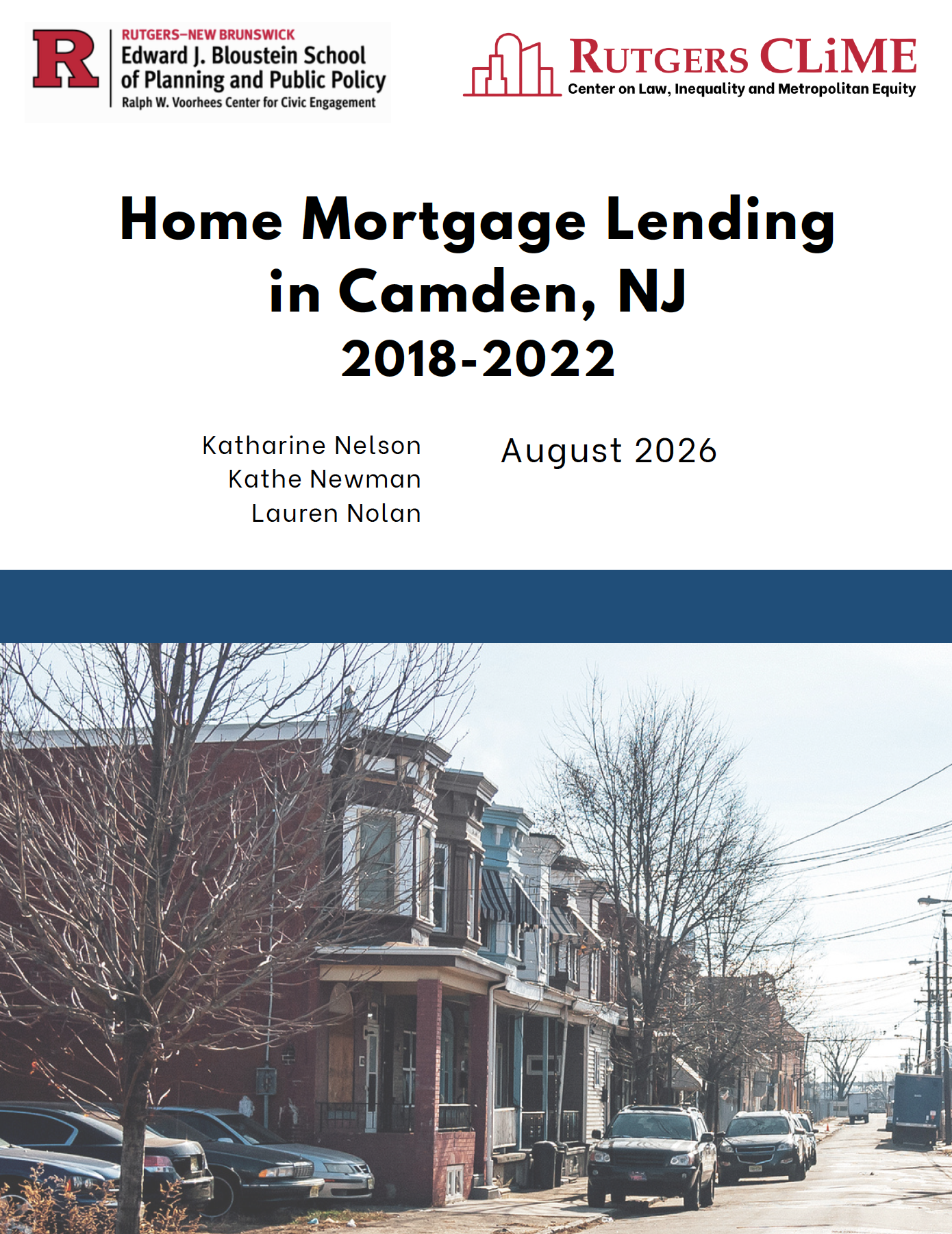
Home Mortgage Lending in Camden, NJ 2018-2022
This report examines patterns of home purchase and improvement mortgage originations, applications, and denials in Camden from 2018-2022, with some looks back to 2004 using Home Mortgage Disclosure Act (HMDA) data. The report provides a brief introduction to Camden. It then outlines home mortgage lending in Camden between 2018 and 2022, first home purchase lending and then home improvement lending. It ends with a set of suggestions for expanding credit access. The report finds Camden residents increasingly cannot afford to buy a home in Camden, homebuyers are denied mortgages in Camden at double the rate of the county/region, mortgage companies have lower denial rates than banks, but these loans are, on average, more expensive than bank loans, and there is a critical gap in access to home renovation loans in Camden. This project was supported by the REACH Initiative.
Trends in Investor Acquisition of Residential Properties in New Jersey
Will B. Payne and Eric Seymour released a new report, “Trends in Investor Acquisition of Residential Properties in New Jersey.” Corporate ownership of single-family homes and other small residentialproperties has drawn growing concern from housing advocates andpolicymakers in New Jersey and nationally. While the large rental homecompanies that sprang up in the aftermath of the foreclosure crisis are virtuallyabsent from New Jersey, prior research has found that corporate owners accountfor a rising share of property sales in Newark (Troutt & Nelson, 2022) and ofownership of small residential properties in multiple jurisdictions across thestate (New Jersey Department of Community Affairs, 2022). These trends have raised concerns about investors competing for the state’s already limited stockof moderately priced homes, making homeownership even harder to attain, and about rental conditions, as corporate landlords are often associated with stricter screening, higher rents and fees, and faster resort to eviction.
With support from the New Jersey State Policy Lab, this report analyzes corporate ownership of 1–4-unit residential properties in New Jersey, excluding condominiums, using parcel-level property tax data from 2012 to 2022. It examines how the share of corporate-owned homes haschanged over time, how corporate entities fit within the broader landscape ofowner-occupants and non-corporate investors, and how properties have movedinto corporate ownership, distinguishing the conversion of existing rentalsfrom the loss of owner-occupied housing. The analysis also assesses portfolio size as a measure of market power and considers whether corporate owners are local, in-state, or out-of-state, raising questions about absentee ownership and accountability to tenants, neighborhoods, and municipalities.
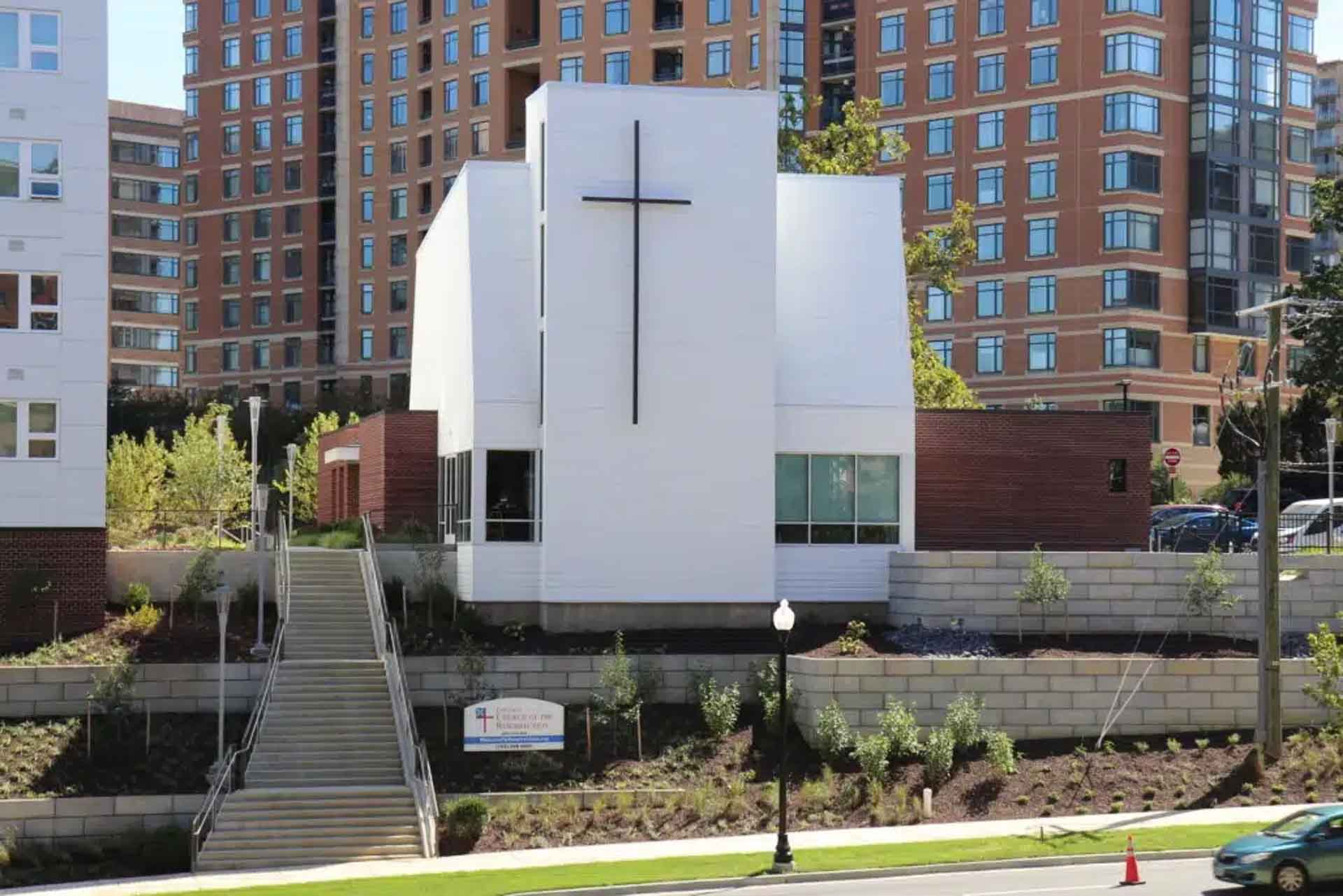
Affordable Housing and Shelter on Faith Land
The Affordable Housing and Shelter Built on Faith Land project provides a baseline number of how many affordable housing developments have been built on faith land, where they have been built, and what the projects look like.
The project consists of two parts:
1) The Affordable Housing and Shelter on Faith Land Database is an online searchable database cataloguing affordable housing developments and shelters built on religious property in the United States between 2015-2025.
2) The Affordable Housing and Shelter Built on Faith Land in the United States, 2015-2025 report accompanies the database and examines trends and patterns that emerge from the data.
Federally Assisted Housing in New Jersey
This report examines the stock of federally subsidized rental housing units. It first investigates how federal housing priorities have shifted over time, and how those shifts have reshaped the composition of federally subsidized housing units in New Jersey. It then examines each federal program and summarizes how many units the program supports and where they are located in New Jersey. For each program, it considers challenges to future housing security. The report concludes with a discussion about the need to more consistently track federally assisted units and the time-delimited subsidies that support them and to create a comprehensive preservation plan.
Understanding the Role of Housing Navigators
This year, five Ralph W. Voorhees Public Service Fellows worked with New Community Corporation, a community development organization in Newark, New Jersey, to research housing navigation. Part of a Rutgers Equity Alliance for Community Health (REACH) community engaged project, the Fellows sought to better understand the work of contemporary housing navigation.
Corporate Ownership of Small Residential Properties in 7 Municipalities in New Jersey
Eric Seymour, Will Payne, Kathe Newman and Lauren Nolan published a new report on Corporate Ownership of Small Residential Properties in Seven New Jersey Municipalities. This report examines changes in corporate ownership of 1-to-4 unit residential properties in Asbury Park, Millville, Montclair, New Brunswick, Passaic, Phillipsburg, and West New York, New Jersey between 2010 and 2022. The report finds that in the seven municipalities corporate ownership is increasing, spatially concentrated, associated with foreclosures, small scale and owned by local/regional entities. This research was funded by the Schalkenbach Foundation. A video discussion of the research can be watched here.
Rent Control in New Jersey Report
In this report, we trace the history of rent control in New Jersey and describe it today, and we offer a set of ideas for the future.

Homelessness in New Brunswick and Programs to Address It
This report identifies the challenges that emergency service organizations and their clients are experiencing as they attempt to access, or consider accessing, the existing service infrastructure and to identify areas of unmet need.
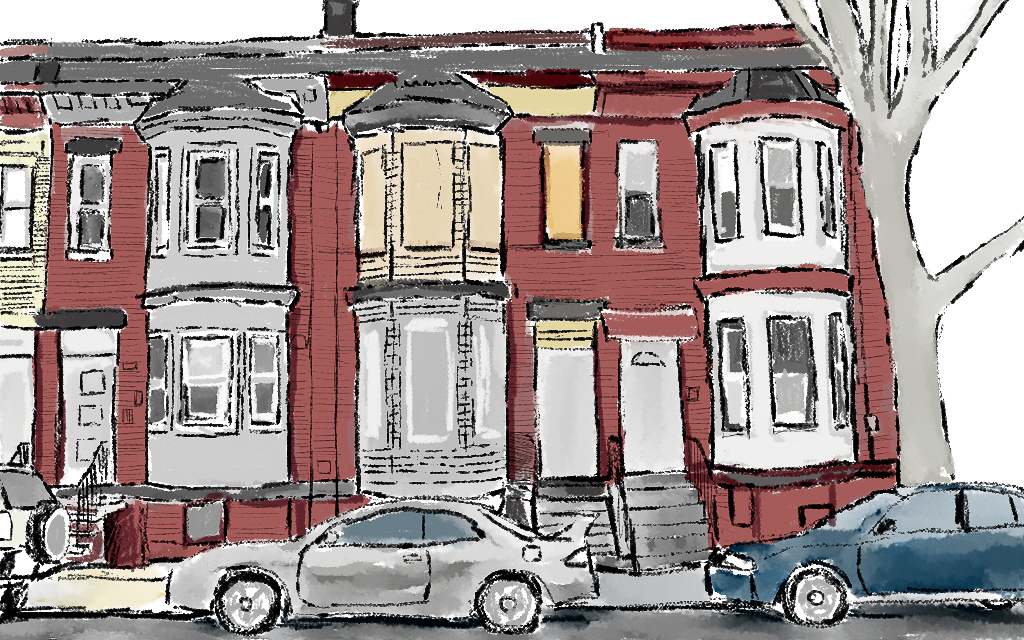
New Jersey State of Affordable Rental Housing – NJSOARH
The NJSOARH team of Professors Eric Seymour, Kathe Newman, Will Payne, Postdoctoral Associate Shiloh Deitz, doctoral student Lauren Nolan and masters student John Smith are building a housing data infrastructure to describe the landscape of rental housing affordable to lower income households in New Jersey and conducting interviews to better understand the processes that shape housing insecurity. Other team members have included undergraduate Bloustein Honors student Lily Chang and Esther Colon-Bermudez, RISE undergraduate fellow from the University of Puerto Rico – Rio Piedras as well as masters students Jonathan Bonilla, Erica Copeland, William Downie, Mila Hamilton, and Smriti Singh. An Advisory Committee comprised of leading NJ community development and housing organizations guides the project.
Equitable Home Mortgage Lending in Camden (REACH)
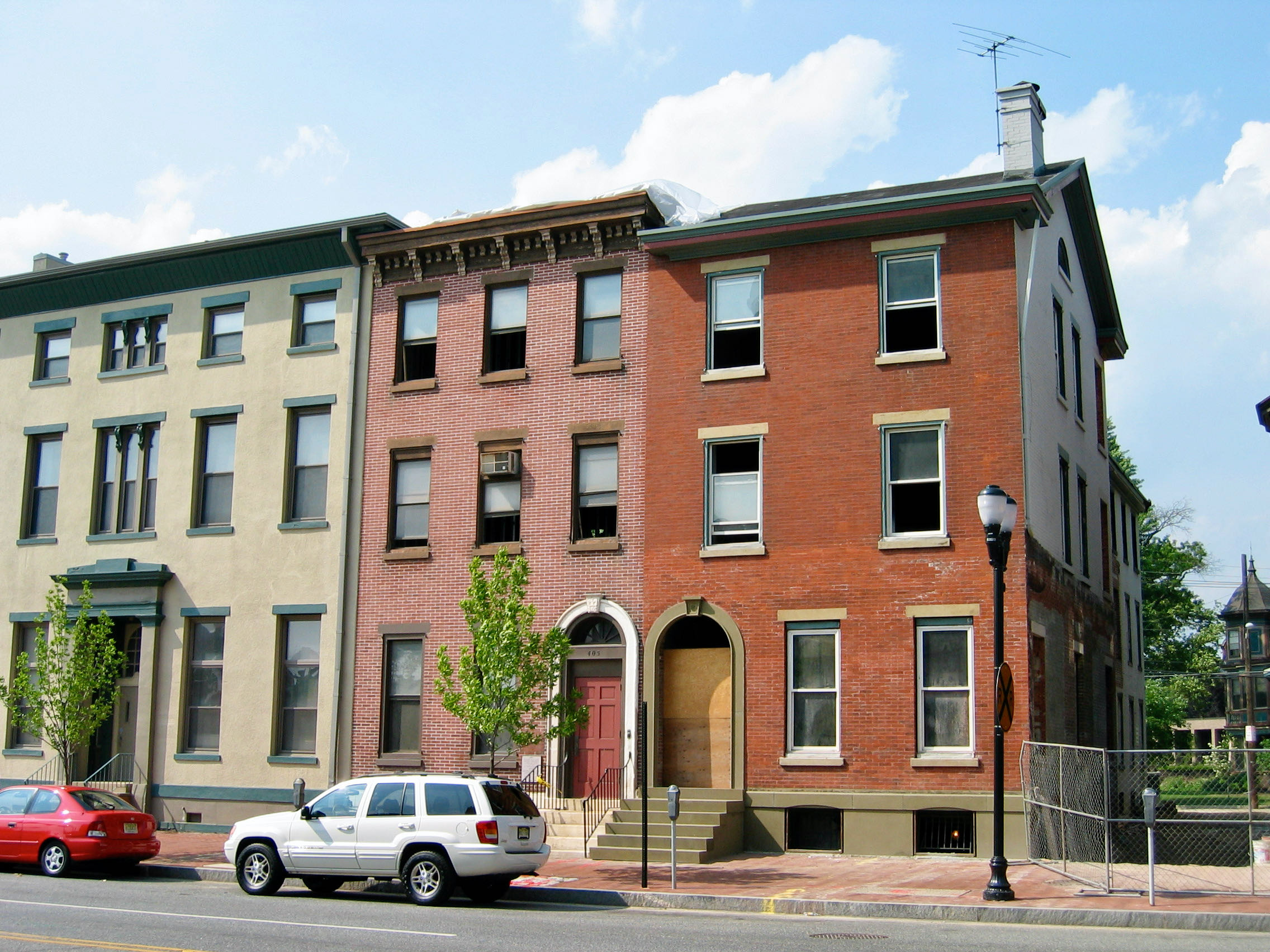
Housing is a critical social determinant of health. The absence of secure and affordable housing creates chronic stress and can affect present and long-term health. Homeownership is regarded as an important mechanism for both securing affordable and predictable housing costs and building equity. However, people living in low-to-moderate income neighborhoods of color have and continue to face barriers to access affordable and safe credit to make sustainable and wealth-building homeownership possible. Instead, residents in these communities may either be denied credit or steered toward expensive and risky products. Though lending processes, products, and institutions have changed over time, this concern about access to high-quality, affordable credit remains. This two part project in partnership with St. Joseph’s Carpenter Society– a community-based non-profit organization– seeks to better understand lending processes and to consider strategies to address the lending needs of low-income borrowers in Camden, NJ. In Part 1 of the project, we will conduct mixed methods community engaged research to understand the landscape of home mortgage lending in Camden. In Part 2 of the project, we will organize a convening to discuss the findings with practitioners and community members and create a plan to improve access to high-quality credit for Camden borrowers to further housing security. This project has been funded by Rutgers REACH initiative.
Research team members include:
- Kathe Newman, PI
- Katharine Nelson, UPENN
- Lauren Nolan
- Eric Seymour
The Landscape of Cooperative and Shared Equity Housing in the United States
James DeFilippis and a set of students – Erica Copeland, Mila Hamilton, Celeste Royo, and John Smith with funding from the Cooperative Development Foundation – are conducting a nationwide “landscape analysis” of the field of shared equity housing for the Cooperative Development Foundation (CDF). CDF is interested in moving into co-op and other forms of shared equity housing, and we will be providing a “state of the field” analysis for them as they move into this work.