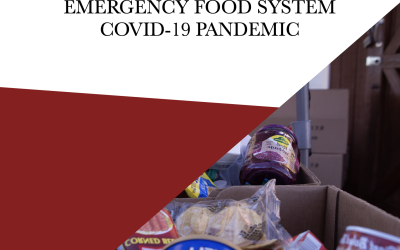
The objective of this report was to better understand how the emergency food system works during a crisis. The research sought to identify networks and points of strength as well as areas to be strengthened to improve resiliency during an emergency.
Community Food Security
Middlesex County Food Dating Label Education Project
This report analyzes the ways in which individual pantries throughout Middlesex County interact with food product date labels, food waste, staff and client education, and the impact that COVID-19 has had on those topics.
Middlesex County Emergency Food Organizations and Non-Food Services During the Covid Pandemic
This report offers some insight about the non-food challenges that pantries confronted during the pandemic, how pantry staff navigated the demand for these services during the pandemic through July of 2021, and it provides some idea about the type of information that might be useful to pantries moving forward.
Emergency Food System Challenges: Food Pantry Practices During the COVID-19 Pandemic
This brief examines how a set of food pantries in Middlesex County, NJ experienced the pandemic from March to October/November 2020.
Middlesex County Emergency Food System Covid-19 Pandemic Report
This report examines how emergency food providers in Middlesex County, New Jersey, changed their practices during the pandemic. The report looks at how food pantries navigated challenges related to food demand, supply, and distribution, and highlights the experiences...
Understanding the Impact of COVID-19 on People, Pantries and Practices in the Emergency Food System
The COVID-19 pandemic has had a profound impact on the emergency food system, challenging a system that was already operating with few resources. Food pantries developed strategies to meet surging need while navigating COVID-19 safety challenges and dramatic shifts in...
Emergency Food System Challenges: Language and Cultural Differences
Pantries have tried a number of different strategies to increase institutional cultural competency and mediate language and cultural differences.
Emergency Food System Challenges: Attracting & Retaining Volunteers
The 2019-2020 Ralph W. Voorhees Fellows examined the role of volunteers in pantry management.
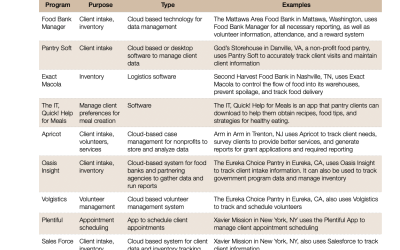
Emergency Food System Challenges: Technology and Food Pantry Management
Food banks and pantries are increasingly turning to technology such as GPS tracking, logistics software, and database management to manage food inventories, client records, and governmental reporting.
Innovative Practices in Emergency Food Delivery
Ralph W. Voorhees Public Service Fellows Hina Arshad, Nashia Basit, Cassie Bolinger, Aiza Nageeb, Julien Rosenbloom with Evan Iacobucci, Planning and Public Policy Doctoral Program. During the Fall 2019 semester, Middlesex County Food Organization and Outreach...
Recent Updates
Home Mortgage Lending in Camden, NJ 2018-2022 Report
This report examines patterns of home purchase and improvement mortgage originations, applications, and denials in Camden from 2018-2022, with some looks back to 2004 using Home Mortgage Disclosure Act (HMDA) data. The report provides a brief introduction to Camden....
RU Engaged Faculty Community of Practice Web Page Launch
The RU Engaged Faculty Community of Practice launched its new web page! RU Engaged is a Chancellor-funded effort to support community engaged teaching and learning. The project, led by Cara Cuite and Kathe Newman, includes the creation of a faculty community of those...
Fall 2026 Calendar of Events
Biannual Report
The Voorhees Center Biannual Report (January - June 2026) takes a retrospective look at our incredible research associates, affiliated faculty, research and more.
Lauren Nolan awarded Susan S. Fainstein Distinguished Doctoral Award
Lauren Nolan was awarded the Susan S. Fainstein Distinguished Doctoral Award for outstanding scholarship and excellence in doctoral research during this year's commencement ceremony.